
How Current Political Crackdown on Cartels Could Impact U.S. Produce Imports
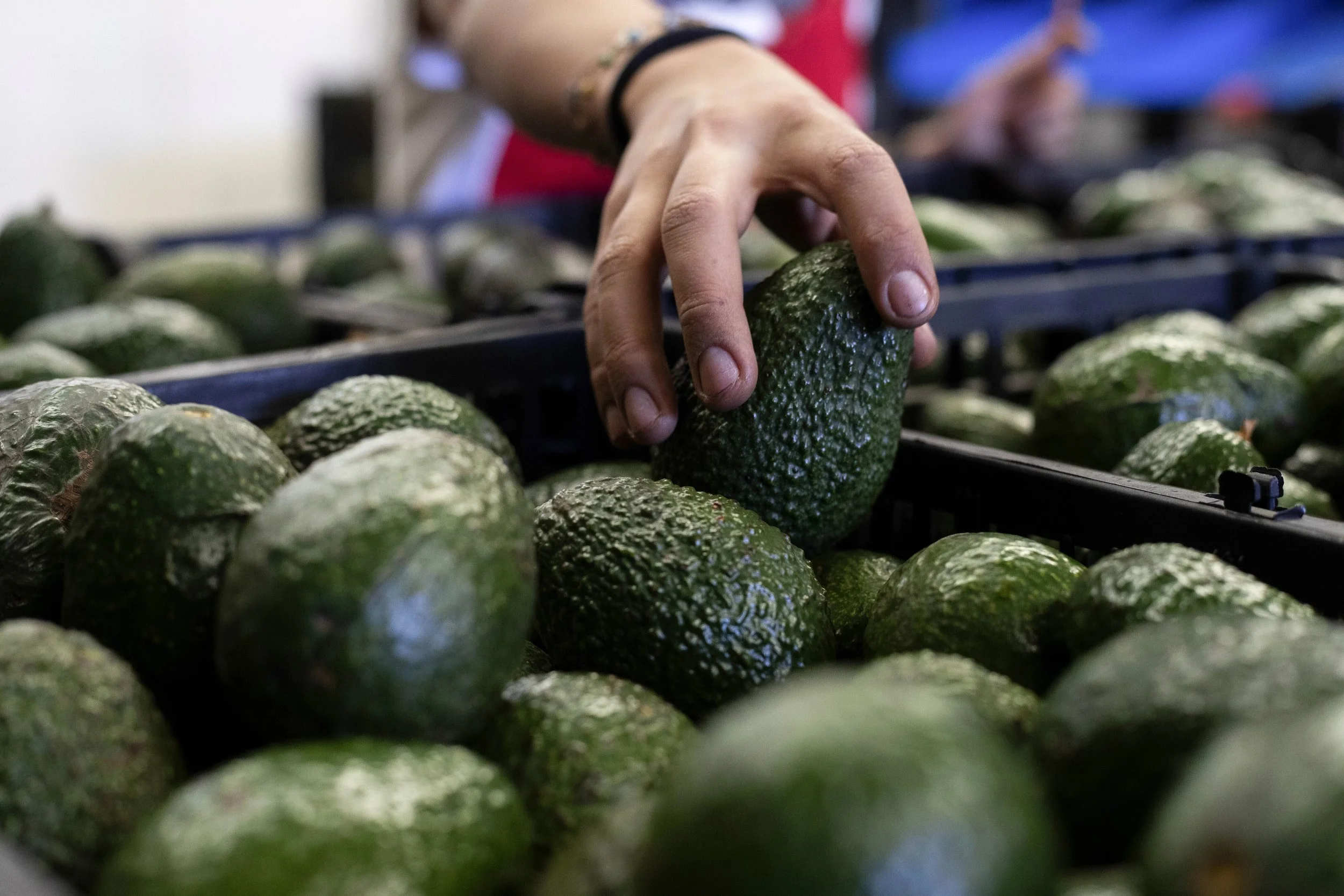
As Mexico intensifies its crackdown on drug cartels and expands military and federal security operations in high-conflict agricultural regions, the ripple effects on U.S. produce imports are becoming increasingly significant—especially for staple commodities like avocados, limes, and lemons.
1. Cartel Violence Is Directly Tied to Key Produce Supply Chains
Many of the fruits and vegetables imported into the United States come from regions like Michoacán and Jalisco—areas where cartel activity has historically been concentrated. These same regions are major exporters of:
Avocados
Limes
Lemons
Mangos and other specialty crops
Over the last decade, organized crime groups have moved beyond narcotics and into legal agricultural markets, extracting protection payments, controlling land, and manipulating harvest and distribution logistics.
2. Cartels Have Entered the Avocado, Lime, and Citrus Markets
The global demand for Mexican produce has turned certain crops into what analysts call “green gold.” This has attracted cartel involvement through:
Extortion of growers and packers
Forced pricing control
Hijacking distribution channels
Warehouse shutdowns due to threats
In fact, lime packing warehouses in cartel-heavy regions have temporarily closed after criminal groups demanded a cut of growers’ income, demonstrating how deeply organized crime has penetrated citrus supply chains.
Historically, gangs in Michoacán have targeted avocado and lime producers with kidnapping threats and protection rackets, disrupting normal export operations.
3. Political Crackdowns Can Disrupt Export Flow to the U.S.
There have already been instances where U.S. avocado inspections were suspended after threats and assaults linked to cartel violence, effectively halting imports temporarily.
Recent security operations and sanctions targeting cartel networks involved in agricultural extortion show governments are increasingly aware of cartel infiltration in the food economy.
However, crackdowns often create short-term instability:
Inspection pauses due to safety threats
Transport route disruptions
Increased costs for growers and exporters
Delays at packing and border crossings
4. Price Volatility and Inflation Risk in U.S. Markets
Even policy tensions, tariffs, or delayed shipments from Mexico can quickly raise costs for essential ingredients across the U.S. food system. Because the U.S. relies heavily on Mexico for fresh produce imports, instability in Mexico’s agricultural regions can lead to:
Higher produce prices (especially avocados and limes)
Supply shortages for retailers and restaurants
Increased reliance on alternative sourcing countries
Strain on distributors and wholesalers
5. Strategic Insight for Produce Buyers & Distributors
For agribusiness leaders, wholesalers, and food supply planners, this political climate signals a need to:
Diversify sourcing beyond single-origin regions
Strengthen supplier risk assessments
Monitor geopolitical risks in agricultural zones
Build resilient S&OP and logistics contingency plans
The fight against cartels in Mexico is not just a security issue—it is a global food supply issue. When organized crime infiltrates agricultural markets and governments respond with aggressive enforcement, the entire North American produce supply chain feels the impact, from farms in Michoacán to grocery shelves in Atlanta and beyond.
For produce distributors, this moment calls for strategic sourcing, ethical procurement, and stronger partnerships with vetted growers to ensure both supply continuity and integrity in the food system.
#CarversProduce #FoodSupplyChain #Agribusiness #ProduceIndustry #BlackFarmers #GlobalTrade
